
UNIFIED MARKETING PLANNING SOFTWARE
Unified Planning for Modern Marketing Organizations
Annum is marketing planning software that connects strategy, initiatives, campaigns, channels, and cross-functional teams within one unified planning environment. It’s patented visibility empowers marketers to connect tactics to strategy, align cross-channel activity, and build cohesive and compelling customer experiences that drive more impact.
What Is Unified Marketing Planning Software?
Unified planning software creates a connected planning environment where marketing organizations can align strategic direction with cross-channel planning activity in one operational view.
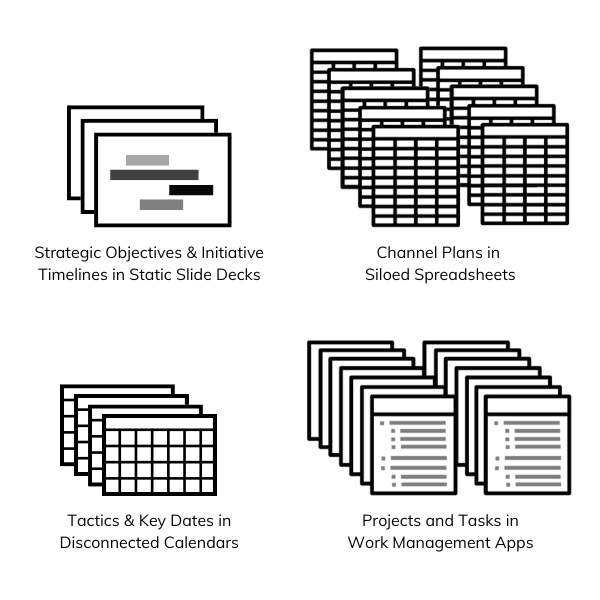
Unlike static planning artifacts and execution-focused work management platforms, unified planning software creates connected visibility across strategic initiatives, campaigns, objectives, channels, tactics, teams, and timelines within one planning environment.
From Fragmented Planning to Connected Visibility
Disconnected
Planning Environment
Unified
Planning Environment
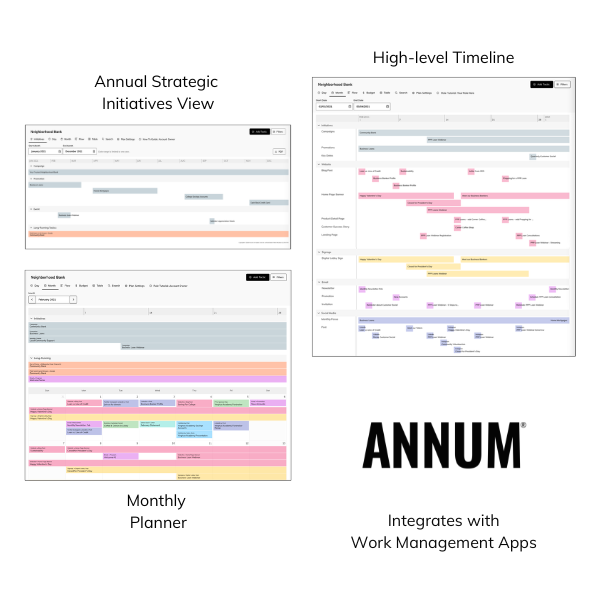
The result is a more connected planning process that supports:
- Omnichannel coordination
- Strategic alignment
- Organizational visibility
- Customer experience coordination
- Executive visibility into strategy in action
Unified planning is not about managing tasks. It is about creating connected visibility into how marketing strategy is operationalized across the organization.
Learn why disconnected planning creates alignment challenges →
The Unified Planning Layer
Most marketing organizations already have systems for managing projects, creating content, publishing campaigns, and measuring performance. What is often missing is the planning layer that connects those activities together.
This is the layer where strategic priorities are translated into coordinated omnichannel marketing plans.
Annum serves as the unified planning layer above day-to-day work management and channel execution systems, bringing strategy, initiatives, campaigns, channels, and tactical plans together within one connected planning environment.
This allows organizations to:
- Connect tactics directly to strategic initiatives and marketing objectives
- Coordinate activity across channels, campaigns, and teams
- Evaluate alignment, support levels, and cross-channel coverage
- Maintain visibility into what is planned across the organization
- Connect unified planning with existing work management platforms
What Unified Planning Enables
Unified planning gives marketing organizations the connected visibility needed to operate with greater alignment, coordination, and strategic clarity.
By bringing strategy, initiatives, campaigns, channels, and tactical marketing activity together within one planning environment, organizations gain a clearer understanding of how marketing efforts align across teams, customer experiences, and business priorities.
Unified planning helps organizations:
- Strengthen strategic alignment across teams and channels
- Improve coordination of omnichannel customer experiences
- Identify gaps, overlaps, conflicts, and opportunities earlier
- Connect tactics directly to strategic priorities and marketing objectives
- Improve executive visibility into strategy in action
- Make more informed planning and investment decisions
- Operate from a shared planning reality across the organization
The result is a more connected marketing organization capable of delivering more cohesive and compelling customer experiences and stronger business outcomes.
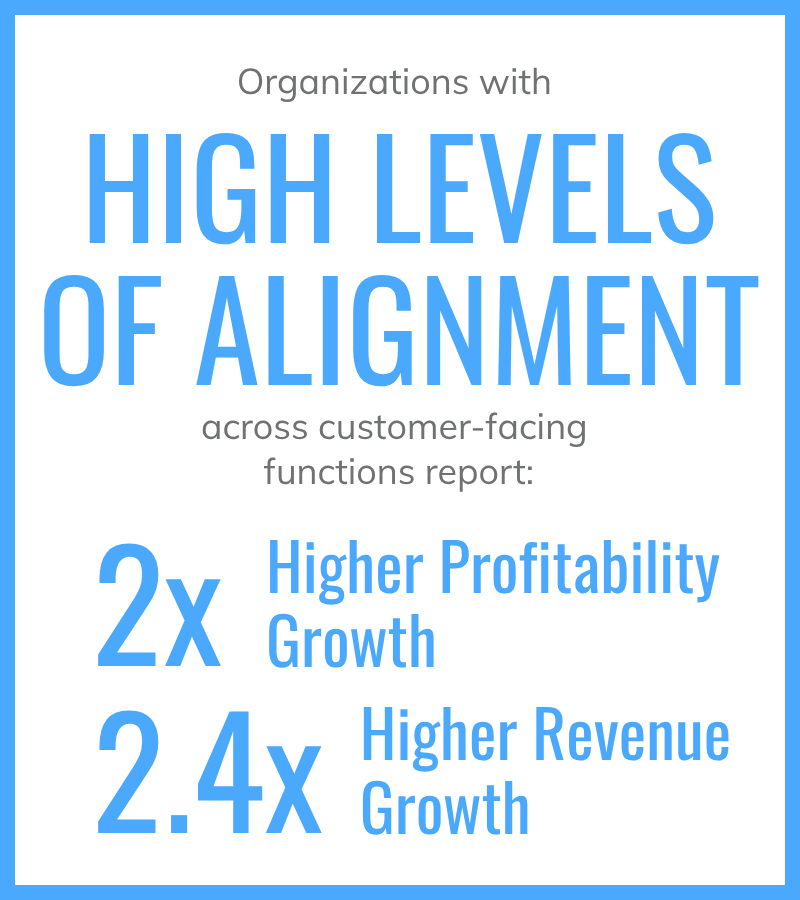
Research from Forrester found that organizations with high levels of alignment across customer-facing functions report 2.4× higher revenue growth and 2× higher profitability growth than those without alignment.
Connected planning in action.
Learn how unified planning works.
Explore the continuous planning process that helps marketing organizations connect strategy, tactical planning, execution visibility, and performance insights within one unified planning environment.